
In a world where computers are the lifeblood of innovation, computer hardware jobs are the unsung heroes keeping the digital age alive. Imagine a realm where you can tinker with the latest tech, solve complex puzzles, and get paid for it—all while avoiding the dreaded 9-to-5 monotony. Sounds like a dream, right?
Overview of Computer Hardware Jobs
Computer hardware jobs encompass a broad range of roles within technology. These positions involve the design, development, maintenance, and troubleshooting of physical components that make up computer systems. Individuals in this field can range from hardware engineers to technicians who specialize in assembly and repair.
Hardware engineers typically focus on the creation of new technology. They often work on designing microprocessors, circuit boards, and networking equipment. This role requires a strong understanding of both hardware and software interplay, ensuring that systems operate efficiently.
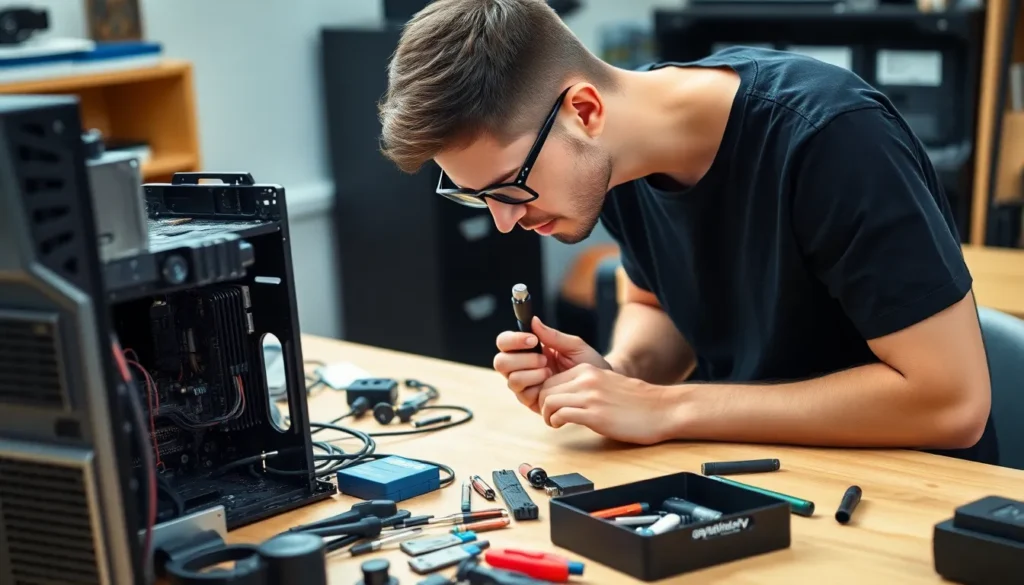
Technicians, on the other hand, maintain and repair existing hardware. Responsibilities include troubleshooting issues, replacing faulty parts, and performing upgrades. This hands-on work is essential in keeping technology running smoothly in businesses and homes alike.
Opportunities for advancement appear within computer hardware jobs as companies continue to innovate. Employees might move into management positions, overseeing teams of engineers or technicians. Others may choose to specialize further, focusing on niche areas like embedded systems or cybersecurity hardware.
Growth projections indicate a robust demand for skilled workers. According to the Bureau of Labor Statistics, jobs for computer and information technology professionals are expected to grow by 11% from 2019 to 2029, much faster than the average for all occupations.
Flexibility characterizes many computer hardware roles. Remote work arrangements often exist, accommodating both project-based and ongoing positions. This allows professionals to achieve a better work-life balance while contributing to groundbreaking advancements in technology.
Types of Computer Hardware Jobs

Computer hardware jobs encompass various roles that contribute to the design, maintenance, and quality assurance of technology. Each position offers unique responsibilities and requires specific skill sets.
Hardware Engineer
Hardware engineers play a crucial role in the creation of technology. They design microprocessors, circuit boards, and other essential components. Strong analytical and problem-solving skills are vital for success in this field. Engineers also need a firm understanding of hardware-software interaction. Collaboration with software developers ensures that the hardware meets performance requirements. Many engineers specialize further, focusing on areas like embedded systems or telecommunications.
Technician Roles
Technicians are responsible for maintaining and repairing hardware systems. Their work is essential for the smooth operation of technology in various settings, including homes and businesses. Technicians troubleshoot issues, replace faulty components, and conduct regular maintenance checks. Hands-on experience with electronic devices enhances their capabilities. Strong communication skills allow technicians to explain problems and solutions effectively to clients. Many positions also offer certifications that can enhance professional credibility.
Quality Assurance Roles
Quality assurance professionals ensure that hardware meets specific standards before going to market. They conduct rigorous testing to identify flaws or potential improvements. Attention to detail is critical in this role, as small issues can significantly impact performance. QA specialists collaborate with engineers to develop testing protocols and validate product functionality. Familiarity with testing tools and methodologies is essential. Challenges in this field often include keeping up with rapid technological advancements and emerging industry standards.
Skills Required for Computer Hardware Jobs
Computer hardware jobs require a blend of technical and soft skills to succeed. Mastering these skills enhances employability and effectiveness in diverse roles within the industry.
Technical Skills
Understanding computer architecture ranks as a fundamental requirement for hardware engineers and technicians. Proficiency in circuit design and analysis facilitates the creation of efficient systems. Knowledge of programming languages, such as C and VHDL, aids in hardware-software interaction. Experience with testing methods and tools ensures hardware functions correctly before release. Familiarity with troubleshooting techniques helps technicians resolve issues swiftly. Certifications in hardware-related fields validate expertise and increase credibility in the job market.
Soft Skills
Effective communication skills enable professionals to convey complex ideas clearly, fostering collaboration with team members. Problem-solving abilities are essential, as individuals often confront unexpected challenges that require innovative solutions. Strong time management allows workers to prioritize tasks efficiently in fast-paced environments. Adaptability remains crucial in a rapidly evolving tech landscape, ensuring readiness for new technologies and methodologies. Lastly, a detail-oriented mindset helps professionals maintain high-quality standards, crucial for testing and quality assurance roles.
Career Path and Opportunities
Computer hardware jobs offer diverse paths for professionals seeking growth and advancement in technology. Various entry-level positions provide a solid foundation for career development.
Entry-Level Positions
Entry-level roles often serve as stepping stones into the industry. Positions such as hardware technician or junior engineer are common starting points. Technicians focus on maintaining and repairing equipment, allowing them to gain hands-on experience. Junior engineers typically assist in design tasks, collaborating with more experienced engineers. Many companies provide training programs and certifications to enhance skills. These positions usually require a strong understanding of basic hardware concepts and problem-solving abilities.
Advancement Opportunities
Advancement opportunities in computer hardware are plentiful. Professionals can move into specialized roles, such as embedded systems engineer or cybersecurity hardware expert. Alternatively, management positions become accessible with experience and demonstrated leadership skills. Continuing education and certifications like Certified Hardware Technician can significantly aid in career progression. Growth projections from the Bureau of Labor Statistics indicate an 11% increase in relevant job markets between 2019 and 2029, demonstrating a strong future for skilled workers in this field. The combination of experience and ongoing skill development plays a vital role in achieving higher positions.
Computer hardware jobs represent a vital sector in today’s technology-driven world. The blend of innovation and problem-solving makes this field not only rewarding but also essential for future advancements. With a variety of roles available from engineering to quality assurance, professionals have ample opportunities to carve out fulfilling careers.
The increasing demand for skilled workers highlights the importance of continuous learning and certification. As technology evolves, so do the skills required to succeed. With flexible work arrangements and potential for growth, individuals pursuing careers in computer hardware can expect a bright future.