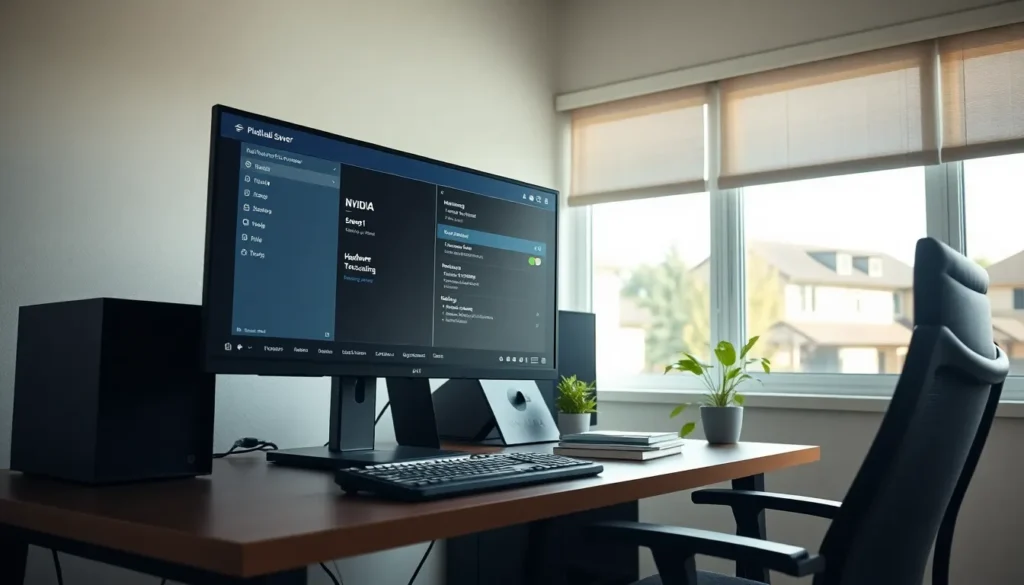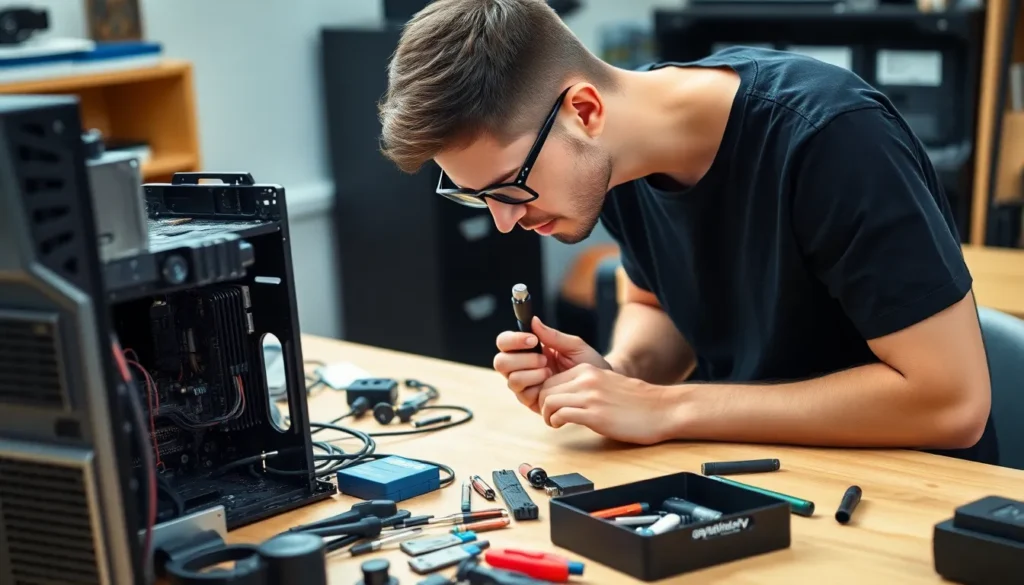

Ever wondered what makes your computer tick? It’s not magic or a tiny wizard hiding inside; it’s software that controls all that hardware. Think of it as the conductor of an orchestra, ensuring every piece plays in harmony. Without this software, your computer would be a glorified paperweight, just sitting there, looking pretty.
Overview of Computer Hardware
Computer hardware comprises the physical components that enable a computer to process information. These components include the central processing unit (CPU), memory (RAM), storage drives, motherboards, and input/output devices. Each part plays a crucial role in the overall functioning of a computer system.
The central processing unit (CPU) acts as the brain of the computer, executing instructions and processing data. Memory (RAM) serves as temporary storage, allowing for quick access to data that the CPU frequently uses. Data storage drives, including hard disk drives (HDD) and solid-state drives (SSD), maintain long-term data storage.
Motherboards connect various hardware components, facilitating communication between the CPU, RAM, and other devices. Input devices, such as keyboards and mice, allow users to interact with the computer, while output devices, including monitors and printers, display the results of computations.
Power supplies deliver the necessary electrical energy to all hardware components. Cooling systems, such as fans and heatsinks, maintain optimal operating temperatures to prevent overheating. Together, these elements create a functional system that relies on software to operate effectively.
Computer hardware represents a critical aspect of modern computing, working in tandem with software to perform tasks. Each component has unique specifications and functions, contributing to the overall performance and capabilities of the computer. Understanding these hardware elements helps users appreciate the intricate workings of their devices.
Types of Software
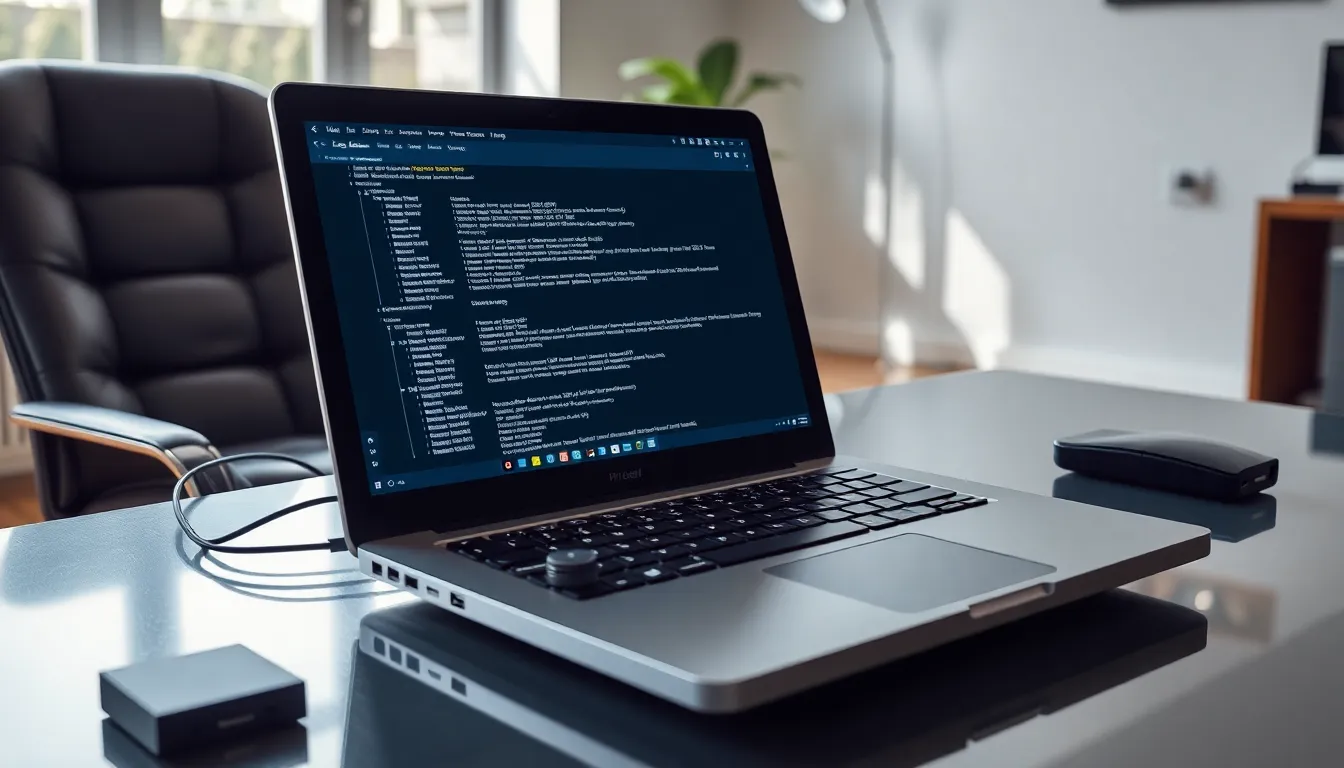
Various types of software control a computer’s hardware. Each type plays a distinct role in ensuring the system operates efficiently.
System Software
System software acts as a bridge between hardware and user applications. Operating systems, like Windows or macOS, manage hardware resources and facilitate communication among components. Device drivers function by translating commands from the operating system into instructions that hardware can understand. This type of software oversees crucial tasks, such as memory management and process scheduling. Without system software, users would struggle to utilize hardware effectively, as direct interaction with the physical components would become necessary.
Application Software
Application software encompasses programs that help users perform specific tasks. Examples include word processors, spreadsheets, and web browsers. These applications rely on system software to access hardware resources, enabling functions like file saving and data processing. From productivity tools to multimedia applications, each software type serves unique user needs. Application software offers an interface that enhances user experience by simplifying interaction with complex hardware setups. Users depend on this software to fulfill various objectives, illustrating its importance in everyday computing.
The Role of Operating Systems
Operating systems (OS) play a vital role in managing a computer’s hardware. They act as intermediaries between the user and the hardware, ensuring efficient operation.
Common Operating Systems
Several common operating systems dominate the market. Windows remains the most widely used, especially in business environments. macOS is popular among creative professionals for its design and user interface. Linux appeals to developers and system administrators due to its open-source nature and customization options. Android caters primarily to mobile devices, while iOS is the go-to for Apple’s mobile ecosystem. Each operating system offers unique features tailored to specific user needs and hardware integration.
Functions of Operating Systems
Operating systems perform essential functions crucial for hardware management. Memory management allows the OS to allocate and deallocate system memory efficiently. Process scheduling ensures multiple tasks run smoothly without conflict. Input and output management provides necessary communication between peripherals and the computer. Additionally, security management protects the system from unauthorized access. These functions enable resource optimization and enhance overall system performance, allowing users to interact seamlessly with hardware components.
Drivers and Their Importance
Drivers serve as the crucial link between hardware and operating systems. These specialized software components enable communication by translating system calls into device-specific commands. Without proper drivers, hardware devices would lack functionality, rendering them ineffective.
Types of drivers can include printer drivers, graphics drivers, and network drivers. Printer drivers allow computers to send print jobs to various printer models, ensuring proper formatting and functionality. Graphics drivers manage how images are rendered on screens, influencing performance during gaming or graphic design tasks. Network drivers facilitate internet connectivity and help manage data transmission over local networks.
Installation of drivers occurs automatically through operating systems or manually through downloads from manufacturer websites. Keeping drivers updated is essential for optimal performance, as manufacturers often release updates to enhance compatibility and add new features. Neglecting updates may lead to hardware malfunctions or security vulnerabilities.
Understanding driver importance extends to troubleshooting issues. Many problems can be traced back to outdated or incompatible drivers, affecting user experience. When hardware acts unexpectedly, checking driver status often resolves these concerns.
Moreover, manufacturers design drivers for specific compatibility with their hardware. This means each type of device requires its own set of drivers tailored to its specifications. Such targeted design ensures effective communication between software and hardware, optimizing system performance.
Ultimately, drivers play a pivotal role in enabling hardware functionality. They’re fundamental for ensuring that physical components operate correctly within a system, highlighting their importance in the overall operation of computers.
Firmware: The Bridge Between Software and Hardware
Firmware serves as a critical element that connects software to hardware, acting as a low-level control system. This specialized software resides in non-volatile memory, allowing it to remain intact even when the device is powered off. It’s responsible for instructing hardware components on how to operate, ensuring efficient communication between these components and higher-level operating systems.
Multiple devices rely on firmware to function correctly, including computer motherboards, printers, and network routers. Each device’s firmware is tailored to its specific hardware requirements, enhancing operational performance. For instance, a motherboard’s firmware initializes hardware components during the boot-up process, managing resources needed for the operating system to load.
Different types of firmware exist, such as BIOS (Basic Input/Output System) and UEFI (Unified Extensible Firmware Interface), with UEFI offering more advanced features than its predecessor. While BIOS provides essential instructions for hardware initialization, UEFI supports larger hard drives and faster boot times. Both types ensure that the operating system loads successfully and interacts effectively with hardware.
Updating firmware can enhance device functionality and security, making it an essential maintenance task. Manufacturers often release updates to address bugs and improve performance. Properly managing firmware updates prevents compatibility issues and ensures that hardware components remain functional.
Overall, firmware plays a vital role in the interaction between software and hardware, providing foundational instructions for operation. It ensures that devices respond accurately and efficiently to user commands, reinforcing the importance of maintaining updated and compatible firmware for optimal performance.
Understanding the software that controls computer hardware is crucial for anyone looking to optimize their computing experience. System software like operating systems and drivers plays a vital role in ensuring that hardware components function together effectively. Firmware also contributes significantly by providing the necessary instructions for hardware operation.
By grasping the interplay between these software types and hardware elements, users can make informed decisions about their devices. This knowledge not only enhances performance but also aids in troubleshooting issues that may arise. Ultimately, appreciating the synergy between software and hardware leads to a more efficient and satisfying computing experience.