
In the world of computers, hardware is like the superhero team that saves the day. Without these essential components, your device would be nothing more than an expensive paperweight. So, what are the three main players in this tech saga? Spoiler alert: it’s not just a bunch of wires and circuits!
Overview of Computer Hardware
Computer hardware consists of three primary components. These components include the central processing unit (CPU), memory, and storage. Each part plays a critical role in the overall performance and functionality of a computer.
The CPU acts as the brain of the computer. Its processing power determines how quickly tasks are executed. Memory, also known as RAM, temporarily stores data for active processes, enabling swift access and efficient multitasking. Storage, either through hard disk drives (HDD) or solid-state drives (SSD), holds data permanently, ensuring users can save and retrieve files at any time.
Understanding these components is essential for anyone interested in technology. A powerful CPU enhances speed, while adequate RAM ensures smooth operation during multiple tasks. Reliable storage solutions provide peace of mind with data security and accessibility.
To illustrate, a gaming computer often features a high-performance CPU paired with ample RAM and an SSD for faster loading times. In contrast, a basic office computer might prioritize balanced components to support everyday tasks such as word processing and internet browsing.
When considering upgrades or purchases, individuals should evaluate the specifications of each component. Compatibility among the CPU, RAM, and storage drives significantly affects overall system performance.
Collectively, these three components form the backbone of computer systems. Their interaction determines how effectively devices execute tasks, making knowledge of computer hardware vital for users and enthusiasts alike.
The Three Main Components
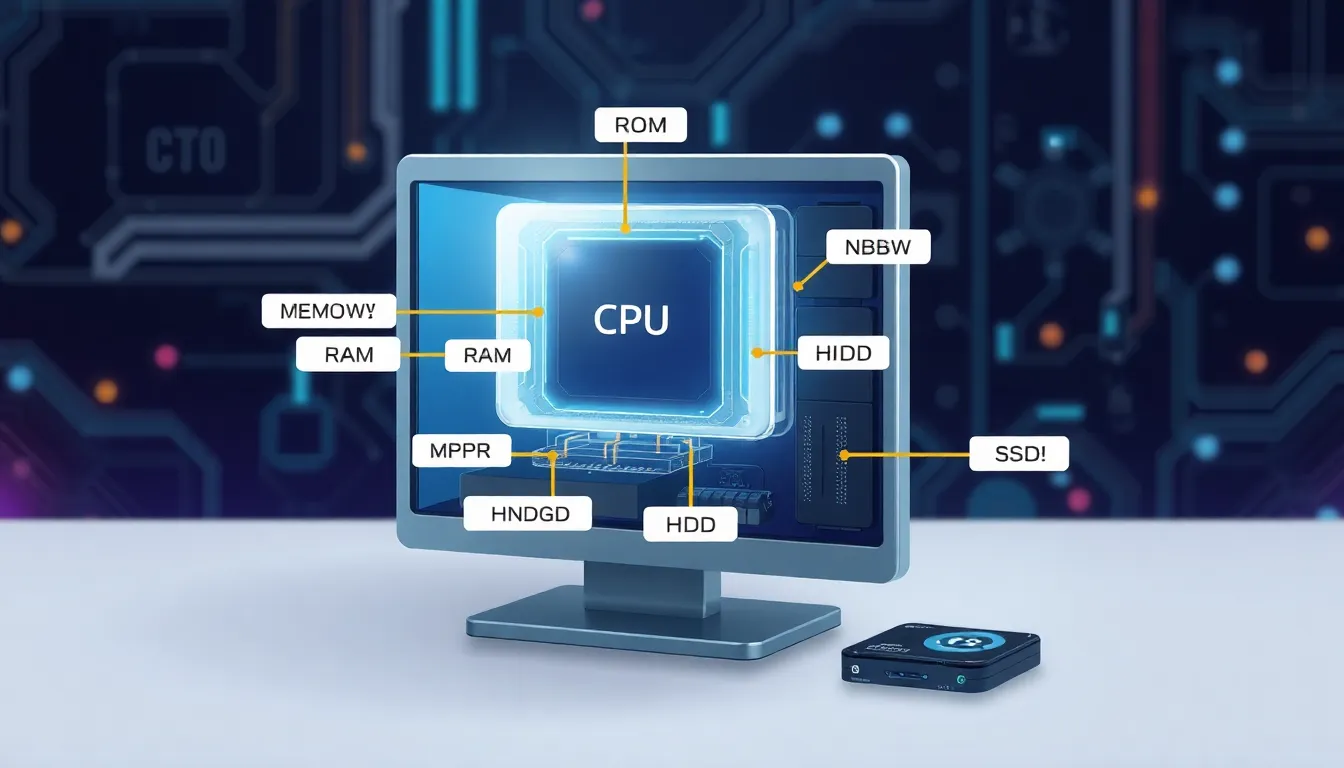
Understanding the three main components of a computer’s hardware is essential for grasping how devices function. These components include the central processing unit, memory, and storage devices.
Central Processing Unit (CPU)
The CPU serves as the brain of the computer. It processes instructions and performs calculations, determining how quickly tasks are executed. Commonly referred to as the processor, the CPU handles multiple cores to manage various tasks simultaneously. Key specifications like clock speed and core count influence performance, particularly in resource-heavy applications. Gamers and professionals often prioritize CPUs with higher performance metrics for optimal results.
Memory (RAM)
RAM temporarily stores data for active processes, allowing quick access for applications. This memory is crucial for smooth multitasking, as it enables the system to run several programs at once without lag. Typically measured in gigabytes, higher RAM amounts support demanding workloads, such as video editing or gaming. The speed of RAM affects how quickly data can be retrieved and utilized, directly impacting system responsiveness. Choosing the right amount of RAM based on user needs leads to better overall performance.
Storage Device
Storage devices hold data permanently, retaining files even when the computer is powered off. There are primarily two types: traditional hard disk drives (HDD) and solid-state drives (SSD). SSDs provide faster data access speeds, leading to quicker boot times and application launches. HDDs typically offer higher storage capacities at a lower cost, making them suitable for bulk storage needs. Understanding the differences between these storage options helps users select the best fit for their requirements, balancing speed and capacity for efficiency.
Peripheral Devices
Peripheral devices expand a computer’s functionality by allowing interaction with the system. These devices fall into two main categories: input devices and output devices.
Input Devices
Input devices facilitate communication between the user and the computer. Key examples include keyboards, mice, and scanners. A keyboard allows for text entry, while a mouse provides navigation control. Scanners convert physical documents into digital format. Each device enhances user experience by enabling commands and data input effectively. Users find that different tasks require specific input devices, such as gaming controllers for gaming or graphic tablets for digital artwork. Selecting the right input device can significantly impact productivity and comfort.
Output Devices
Output devices present information processed by the computer in a usable format. Common examples include monitors, printers, and speakers. Monitors display visual output, while printers provide hard copies of digital documents. Speakers enable audio playback for various media. These devices are essential for delivering results from computational tasks. Users may choose different output devices based on their needs, such as high-resolution monitors for graphic design or multi-function printers for office environments. Ensuring quality output devices enhances overall user satisfaction and functionality.
Understanding the three main components of a computer’s hardware is essential for anyone navigating the tech landscape. The central processing unit, memory, and storage each play a vital role in determining a system’s performance and capabilities.
By recognizing how these elements work together, users can make informed decisions when upgrading or purchasing new devices. Additionally, considering peripheral devices enhances the overall computing experience, ensuring that each user can tailor their setup to meet specific needs.
Knowledge of these components not only empowers users but also enriches their engagement with technology, making it a crucial aspect of modern life.