
In a world where computers reign supreme, the unsung heroes keeping them running smoothly are computer hardware technicians. These tech-savvy wizards work behind the scenes, wielding tools and knowledge to diagnose, repair, and upgrade hardware like it’s a walk in the park. Whether it’s rescuing a stubborn laptop from the clutches of a blue screen or coaxing a desktop back to life, they’re the ones who turn chaos into order—one circuit at a time.
But let’s be honest: being a computer hardware technician isn’t just about fixing gadgets; it’s about embracing the quirks of technology with a sense of humor. Imagine a day filled with beeping machines, tangled wires, and the occasional “Did you try turning it off and on again?” moment. If you’ve got a knack for problem-solving and a love for all things tech, this role might just be your calling.
Overview of Computer Hardware Technician
Computer hardware technicians play a vital role in the technology sector by ensuring devices function correctly. These professionals specialize in diagnosing and repairing hardware malfunctions, which is essential for maintaining system performance. They often work with various equipment, including servers, desktops, laptops, and peripherals.
Daily activities involve troubleshooting hardware problems and identifying components needing replacement. Understanding system architecture helps them pinpoint issues effectively. Techniques such as running diagnostic software or conducting physical inspections enable them to devise accurate solutions.
Education typically includes technical training, certification programs, or associate degrees in computer science or a related field. Industry-recognized certifications, like CompTIA A+ and Cisco Certified Network Associate (CCNA), enhance employment prospects. Experience gained from internships or entry-level jobs bolsters their skill set.
Work environments vary significantly. Technicians may find positions in repair shops, corporate IT departments, or even within tech retail stores. Each setting presents unique challenges, requiring adaptability and strong communication skills, especially when interacting with clients seeking assistance.
Staying updated on the latest hardware advancements is crucial in this fast-evolving field. Networking with other professionals and attending workshops keeps their knowledge current. A passion for technology coupled with a meticulous approach to problem-solving not only aids in career success but also enhances job satisfaction.
Understanding these aspects contributes to a comprehensive view of a computer hardware technician’s responsibilities and importance in modern technology ecosystems. Employing their expertise benefits businesses and individual users alike, ensuring technology remains reliable and efficient.
Key Responsibilities
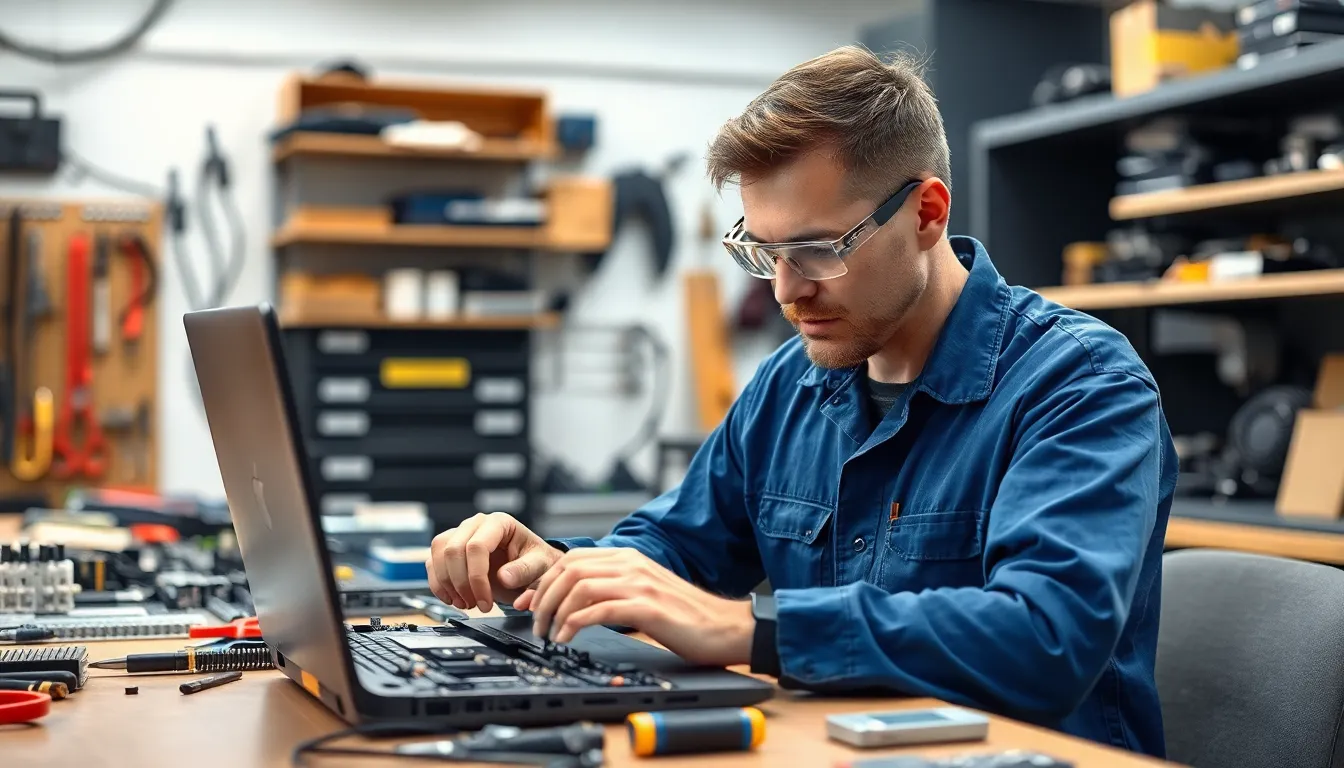
Computer hardware technicians play a critical role in maintaining technology. Their tasks encompass a variety of responsibilities that ensure devices operate effectively.
Diagnosing Hardware Issues
Finding hardware issues is a primary responsibility. Technicians employ diagnostic tools to pinpoint malfunctions. They analyze error messages and system behavior to identify the underlying problems. Physical inspections of components also provide important insights into potential failures. Extensive knowledge of various hardware types aids in efficient troubleshooting. Maintaining detailed records of previous issues helps technicians recognize patterns and anticipate future complications.
Repairing and Replacing Components
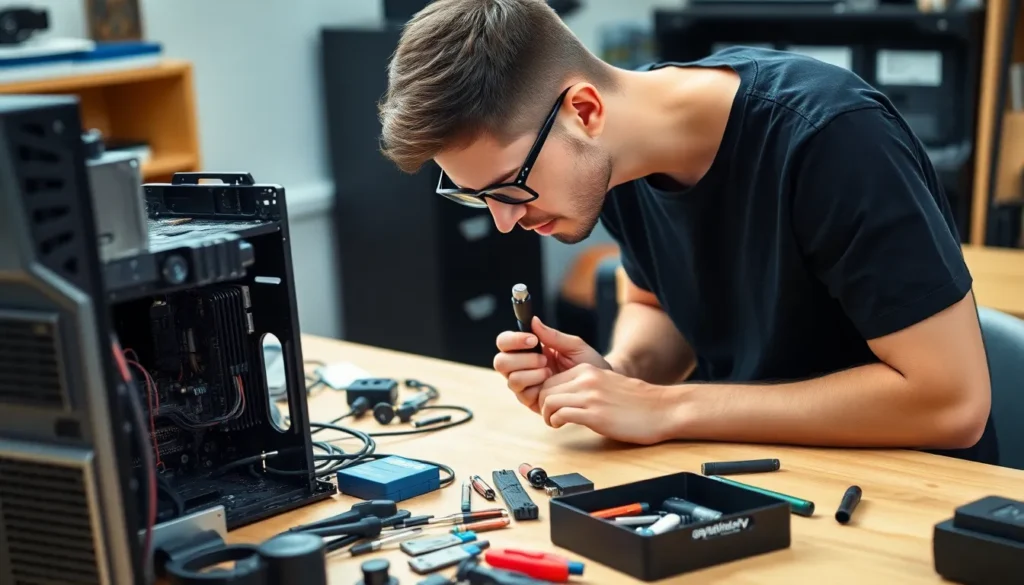
Repairing and replacing components is essential for restoring functionality. Technicians often disassemble devices to access internal parts. Identifying damaged components and sourcing replacements requires technical knowledge and skills. Attention to detail ensures proper installation of new parts, maintaining device integrity. Testing the repaired units confirms that issues are resolved before returning them to users. Adhering to safety protocols during this process protects both the technician and the devices involved.
Essential Skills
Computer hardware technicians require a specific set of skills to excel in their roles. Mastery of these skills ensures efficient maintenance and repair of technology.
Technical Knowledge
Understanding computer components is crucial for technicians. Familiarity with hardware types, including motherboards, CPUs, and RAM, directly impacts their ability to diagnose issues. Knowledge of diagnostic tools enhances efficiency in identifying problems. Staying updated with current technology trends ensures they can tackle new challenges effectively. Many employers seek certifications like CompTIA A+ or equivalent training, which validate expertise and increase job opportunities.
Problem-Solving Abilities
Strong problem-solving skills define a successful technician. Diagnosing hardware malfunctions demands analytical thinking to establish cause and effect. Technicians often encounter unexpected issues, requiring adaptability and creativity to formulate solutions. Systematic approaches to troubleshooting enable them to resolve complex failures. Identifying patterns from previous repairs helps anticipate future complications, further improving response times and effectiveness.
Customer Service Skills
Excellent customer service skills enhance a technician’s effectiveness. Communicating technical information in an understandable manner builds trust with clients. Patience is essential, especially when guiding users through troubleshooting steps. Active listening ensures that technicians address all customer concerns fully. Professionalism in interactions boosts the reputation of the technician and their organization, fostering long-term relationships with clients.
Career Path and Opportunities
Computer hardware technicians enjoy diverse career paths and opportunities for growth. Various factors contribute to their professional development.
Education and Certification
Formal education typically includes technical training or an associate degree in computer science. Industry-recognized certifications enhance credentials and improve job prospects. CompTIA A+ stands out as a valuable certification for foundational knowledge. Additional certifications, such as Cisco Certified Network Associate (CCNA) or Microsoft Certified: Azure Fundamentals, provide specialized knowledge in specific areas. Employers often seek candidates with a solid educational background and relevant certifications, as these indicators reflect their problem-solving capabilities and commitment to the field.
Job Market Trends
The job market for computer hardware technicians remains promising. According to the U.S. Bureau of Labor Statistics, employment of these professionals is expected to grow by 4% from 2022 to 2032. Increased reliance on technology in various sectors drives this demand. Additionally, emerging tech trends, such as cloud computing and artificial intelligence, create opportunities for technicians with specialized skills. Businesses expand their IT departments to support growing technology needs, which further enhances job opportunities. Staying current with evolving technologies proves essential for technicians in this dynamic landscape.
Computer hardware technicians play a pivotal role in the technology landscape. Their expertise not only ensures devices operate smoothly but also enhances user satisfaction. With a blend of technical skills and customer service, these professionals tackle challenges head-on, making them invaluable in various settings.
As technology continues to evolve, the demand for skilled technicians is set to rise. Their ability to adapt and stay informed about the latest advancements will be crucial in meeting the needs of an increasingly tech-dependent society. For those passionate about technology and problem-solving, this career path offers rewarding opportunities and a chance to make a significant impact.