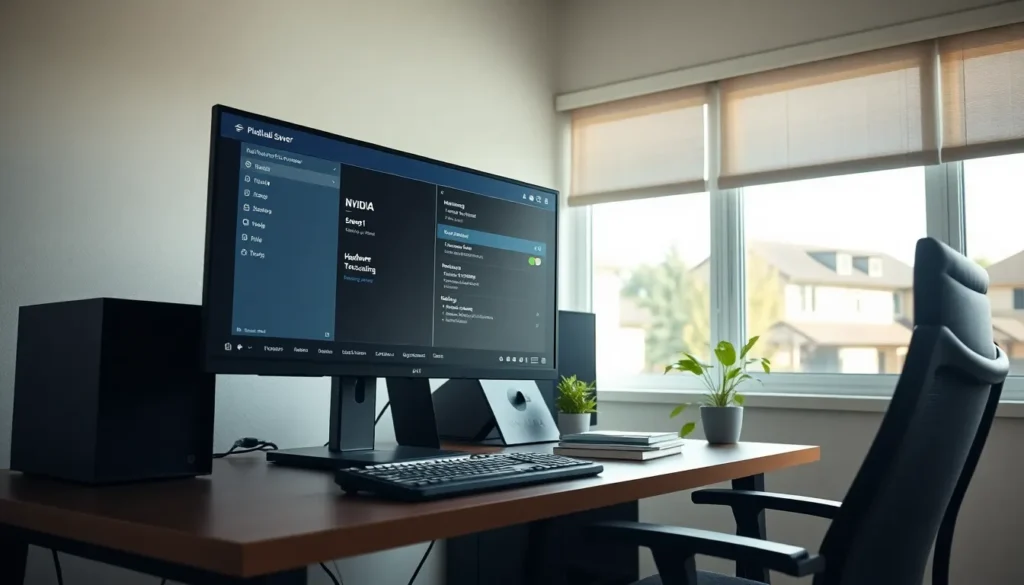

When diving into the world of computer architecture, it’s easy to get lost in a sea of jargon and technical mumbo jumbo. But fear not! The hardware layer is like the sturdy foundation of a house, holding everything together while keeping the chaos at bay. It’s where the magic happens, from the CPU that processes your commands to the RAM that keeps your data handy, like a loyal assistant who never forgets.
Overview of Computer Architecture
Computer architecture encompasses the design and organization of a computer’s hardware components. It includes various essential elements that work together to create a functional system. The central processing unit (CPU) serves as the brain of the computer, processing instructions and performing calculations.
Random access memory (RAM) plays a critical role in this architecture, acting as short-term storage for active data and processes. This fast memory allows the CPU to access and manipulate information quickly. Additional components include storage devices like hard drives and solid-state drives, which provide long-term data retention.
The motherboard connects these components, facilitating communication between the CPU, RAM, and storage. High-speed buses transfer data between parts efficiently, enhancing the overall performance. Graphics processing units (GPUs) handle rendering images and videos, providing the necessary computing power for graphics-intensive applications.
Power supplies convert electrical energy to a usable form, ensuring reliable operation of hardware components. Cooling systems maintain optimal temperatures, preventing damage from overheating under load. Peripherals, such as keyboards, mice, and monitors, enable user interaction, completing the architecture framework.
Understanding these components reveals how they interact, forming a cohesive system. Computer architecture continually evolves, pushing performance limits and enhancing capabilities to meet modern demands. Each part’s specific role contributes to the overall functionality and efficiency of computer systems.
The Hardware Layer Components
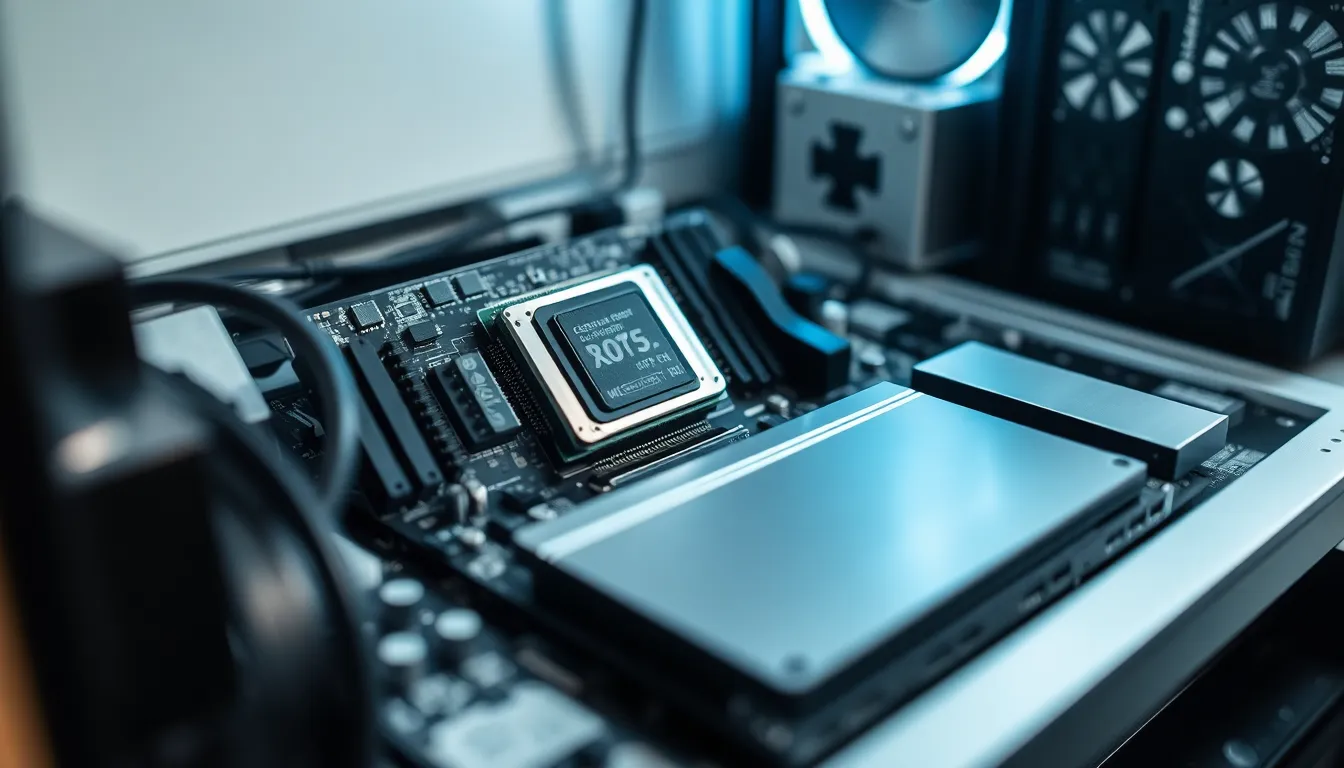
The hardware layer comprises essential elements that work together to ensure smooth computer operations. Each component plays a distinct role in the overall architecture.
Central Processing Unit (CPU)
The CPU acts as the brain of the computer, executing instructions and processes from programs. It contains multiple cores, allowing simultaneous task processing, which enhances performance. Modern CPUs support advanced techniques such as hyper-threading and cache memory, which improve efficiency. By coordinating with other components, it ensures that operations run seamlessly and swiftly.
Memory
Memory consists of two primary types: RAM and cache memory. RAM stores volatile data temporarily, enabling quick access for active tasks. Cache memory, on the other hand, provides even faster data retrieval for frequently accessed information. Together, they optimize the system’s performance and minimize delays. The capacity of memory significantly impacts overall speed and responsiveness.
Storage Devices
Storage devices fall into two categories: traditional hard drives (HDDs) and solid-state drives (SSDs). HDDs use spinning disks to read and write data, offering larger capacities at lower costs. SSDs, however, rely on flash memory, providing faster access times and better performance. Their durability and speed make SSDs an increasingly popular choice for modern computers. Different applications benefit from varied storage solutions.
Input Devices
Input devices include peripherals like keyboards, mice, and scanners that facilitate user interaction. Each device allows users to provide commands and data to the computer. Keyboards enable text input, while mice offer precision in navigation. Scanners convert physical documents into digital format. The diversity of input devices enhances usability and accessibility tailored to user preferences.
Output Devices
Output devices, including monitors and printers, convey information back to the user. Monitors display visual data, enabling real-time interaction with programs and content. Printers produce physical copies of digital documents, expanding the way users engage with information. High-definition displays and color printers enhance the overall viewing experience. These devices serve critical roles in communicating results and outcomes to users.
Interconnection and Communication
Interconnection and communication components play a vital role in a computer’s hardware layer. They facilitate data flow between various internal and external parts.
Buses
Buses serve as communication channels that connect multiple components within a computer. They transmit data, addresses, and control signals among the CPU, memory, and peripherals. System buses consist of three primary types: data, address, and control buses. Dedicated data buses transfer actual information. Address buses specify memory locations for data processing. Control buses coordinate the operations among components, ensuring efficient task execution.
Networking Hardware
Networking hardware enables computers to connect and communicate with one another. This category includes components such as routers, switches, and network interface cards (NICs). Routers direct data packets between networks, optimizing traffic flow. Switches manage data transfer within local networks, facilitating communication between devices. NICs provide the necessary hardware for wired or wireless connections, allowing devices to transmit and receive data. These networking elements enhance functionality and allow for seamless communication across interconnected systems.
Emerging Technologies in Hardware Layer
Emerging technologies in the hardware layer significantly alter the landscape of computer architecture. Quantum computing, for instance, introduces qubits that can represent multiple states, enhancing processing power beyond classical limits. Neuromorphic computing mimics human brain processes, aiming for efficient data handling and improved machine learning capabilities.
Artificial intelligence accelerates advancements in hardware by optimizing processes and algorithms for better performance. Graphics processing units (GPUs) are evolving with specialized architecture tailored for AI and deep learning tasks, outperforming traditional CPUs in specific applications. Specialized hardware, such as tensor processing units (TPUs), further boosts computational efficiency for AI applications.
3D chip stacking technology allows for higher component density, resulting in increased speeds and reduced latency. This innovation supports the creation of more compact devices while maintaining performance. Additionally, field-programmable gate arrays (FPGAs) offer flexibility, enabling rapid reconfiguration for specific tasks or workloads, often leading to enhanced functionality tailored to user needs.
Development of photonic chips utilizes light instead of electricity, aiming to improve data transfer speeds and energy efficiency. Integration of these technologies fosters synergy within the hardware layer, leading to groundbreaking advancements in computing capabilities.
Emerging memory technologies, like magnetic RAM (MRAM), promise faster access speeds while retaining data without power. Non-volatile memory solutions enhance performance in storage, reducing time delays longer seen in traditional storage systems.
As innovations emerge, companies continue to invest heavily in research and development, ensuring competitive advantages and ongoing progress. Adoption of these technologies contributes to evolving computer architecture designed for a demanding future.
The hardware layer in computer architecture serves as the backbone of any computing system. It integrates essential components that work in harmony to deliver optimal performance. As technology continues to advance, innovations in hardware are reshaping the landscape of computing, paving the way for enhanced processing capabilities and efficiency.
With the rise of emerging technologies like quantum computing and AI-specific hardware, the future promises even greater advancements. Understanding the hardware layer is crucial for anyone looking to grasp the complexities of modern computing and its potential. This foundational knowledge empowers users and developers to make informed decisions in an ever-evolving digital world.